Growing
Growing in Central Texas
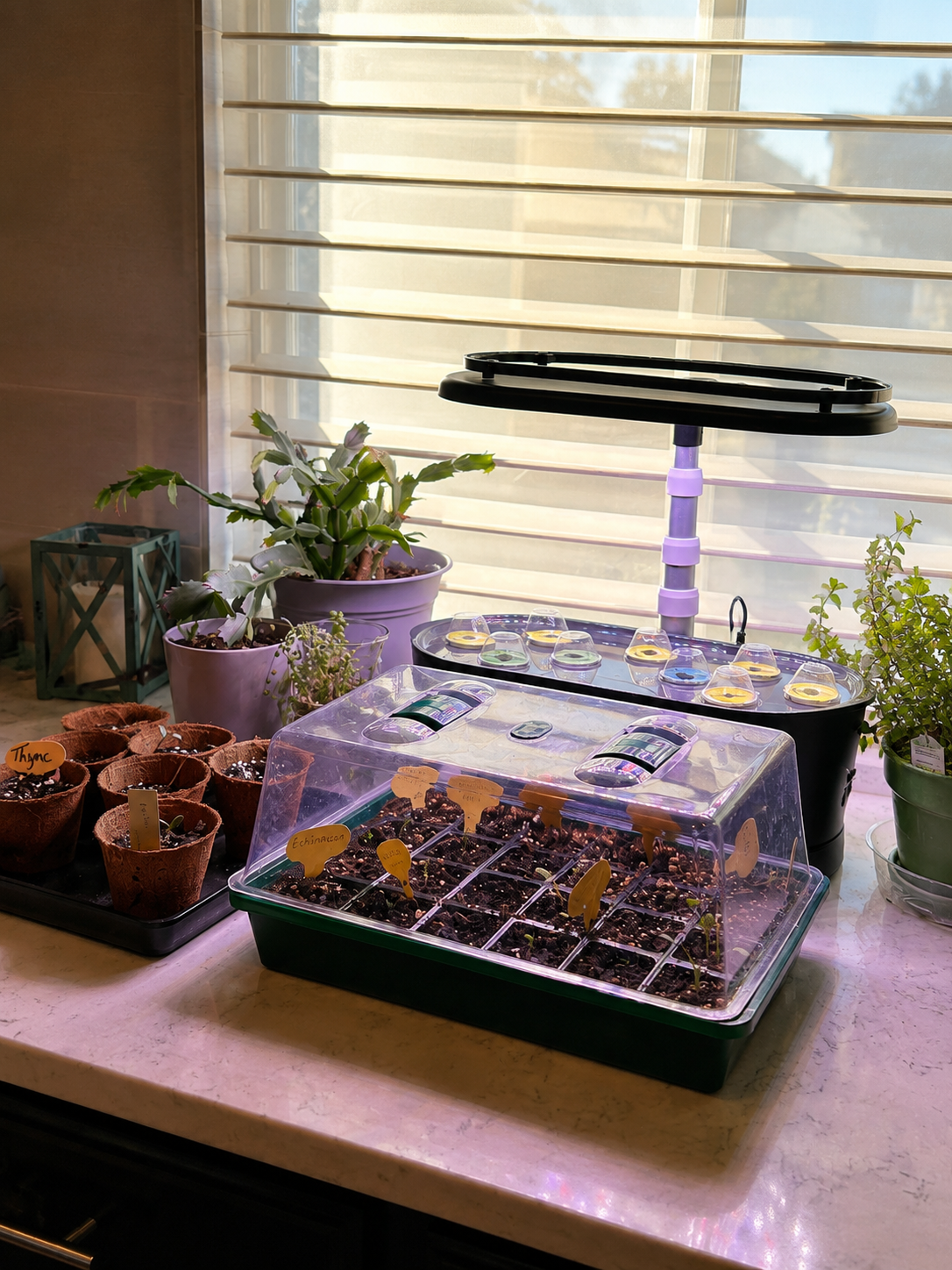
I’m learning to grow more of our own food and herbs here in Central Texas — raised beds, vegetables, herbs, seasonal planting, and plenty of figuring out what can actually handle the heat. I’m sharing what I plant, what works, what doesn’t, and what I learn along the way.
Curious about what I make beyond the garden? Explore the shop.
New to Growing Food? Start Here.
I’m still learning what grows well here, when to plant it, and how to keep it alive through Central Texas weather. If you’re starting too, these are the things I’d begin with.
Start With a Small Garden
A simple look at how to start without turning your whole yard into a project.
Start SmallWhat Grows Well Here
Vegetables and herbs I’m growing or learning about for Central Texas conditions.
See What I'm GrowingRaised Beds & Containers
What I’m learning about beds, containers, soil, sun, and where to put everything.
See the SetupWhen to Plant
A beginner-friendly look at planting seasons and timing in Central Texas.
See When to PlantGrowing
Getting Started Growing Food in Central Texas
I’m still learning what grows well here, when to plant it, and how to keep it alive through Central Texas weather. If you’re starting too, here’s where I’d begin.
Start With a Small Garden
You don’t need to turn your whole yard into a garden. I started with one raised bed and a couple of herb pots, and that was plenty to learn from.
The temptation is to go big right away — build six beds, plant everything, order seeds for things you’ve never eaten. Don’t. Start small enough that you can actually pay attention to what you’re growing.
One bed, a few plants, and regular attention will teach you more than a huge garden you can’t keep up with. You’ll learn what the weather does to your soil, how fast things dry out, what pests show up, and which plants you actually want to keep growing.
Once you’ve kept a small garden alive through a season, you’ll know whether you want to expand and what to add next. Some people love it. Some people realize they’d rather just grow herbs and tomatoes. Both are fine.
What Grows Well Here
Central Texas is not a gentle gardening climate. The summers are brutal, the spring is short, and things bolt or burn if you’re not paying attention. But plenty of things do grow well here once you learn the timing.
These are some of the things I’ve had success with:
Tomatoes
Cherry and smaller varieties handle the heat better. Get them in early — spring, not summer.
Peppers
Jalapeños and other hot peppers love the heat. One of the most reliable things I grow.
Herbs
Rosemary, oregano, thyme, and mint all thrive here. Some of them will survive things you didn’t think they could.
Swiss Chard & Okra
Heat-tolerant greens and okra are some of the few things that keep producing through the worst of summer.
The key is matching the plant to the season. Things that love cool weather — lettuce, spinach, broccoli — grow well here, but only in fall and early spring. Plant them in summer and they’ll bolt before you get a single harvest.
Raised Beds & Containers
I grow almost everything in raised beds and containers. The soil in our yard isn’t great, and raised beds let me control what the plants are actually growing in. They also drain better, which matters when we get those sudden downpours.
Here’s what I’ve learned about the setup:
- · Beds don’t need to be deep. 10–12 inches works for most vegetables.
- · Fill with a mix of raised bed soil and compost. Don’t just use native dirt.
- · Watch where the sun goes. Most vegetables want 6+ hours of direct sun.
- · Containers are great for herbs and things that spread (looking at you, mint).
- · Leave room to walk between beds. You’ll need to reach in.
I didn’t build everything at once. I started with one bed, figured out what worked, and added a second one the following season. The containers came later, mostly for herbs I wanted closer to the kitchen door.
When to Plant
In Central Texas, timing is everything. Our growing seasons don’t look like what you’ll see on most seed packets or gardening blogs. We essentially have two main growing windows and a brutal summer in between.
Here’s the basic breakdown I’ve been working with:
Spring (Feb–April)
Get tomatoes, peppers, squash, and beans in early. The window closes fast once the heat arrives.
Summer (June–August)
Most things struggle. Okra, sweet potatoes, and heat-loving herbs keep going. Everything else needs shade cloth or a break.
Fall (Sept–Nov)
The second growing season. Cool-season crops like lettuce, kale, broccoli, and carrots do well here. Honestly, fall might be the better season.
I’m still getting the timing right. I’ve planted too early and lost things to a late frost. I’ve planted too late and watched things bolt the moment they got going. Every season teaches me something about when to put things in the ground.
My Garden Setup
I’m not working with a huge farm or some perfect garden setup. I’m using raised beds, containers, and the space I have — then adjusting things as I learn what works here.
Raised Beds
- Cedar raised beds
- 4×8 foot beds
- 12 inches deep
- Wood mulch paths
Containers
- Fabric grow bags
- Terracotta pots
- 5-gallon buckets
- Self-watering planters
Soil & Compost
- Raised bed mix
- Homemade compost
- Worm castings
- Mulch top dressing
Watering
- Drip irrigation
- Rain barrel
- Watering wand
- Soaker hoses
Know When Something’s Ready
When I have extra from the garden or make something garden-grown that’s for sale, people on this list hear about it first. If you want to know when something’s available, put your email here.
No spam. Just a heads up when I’ve got something you can buy.